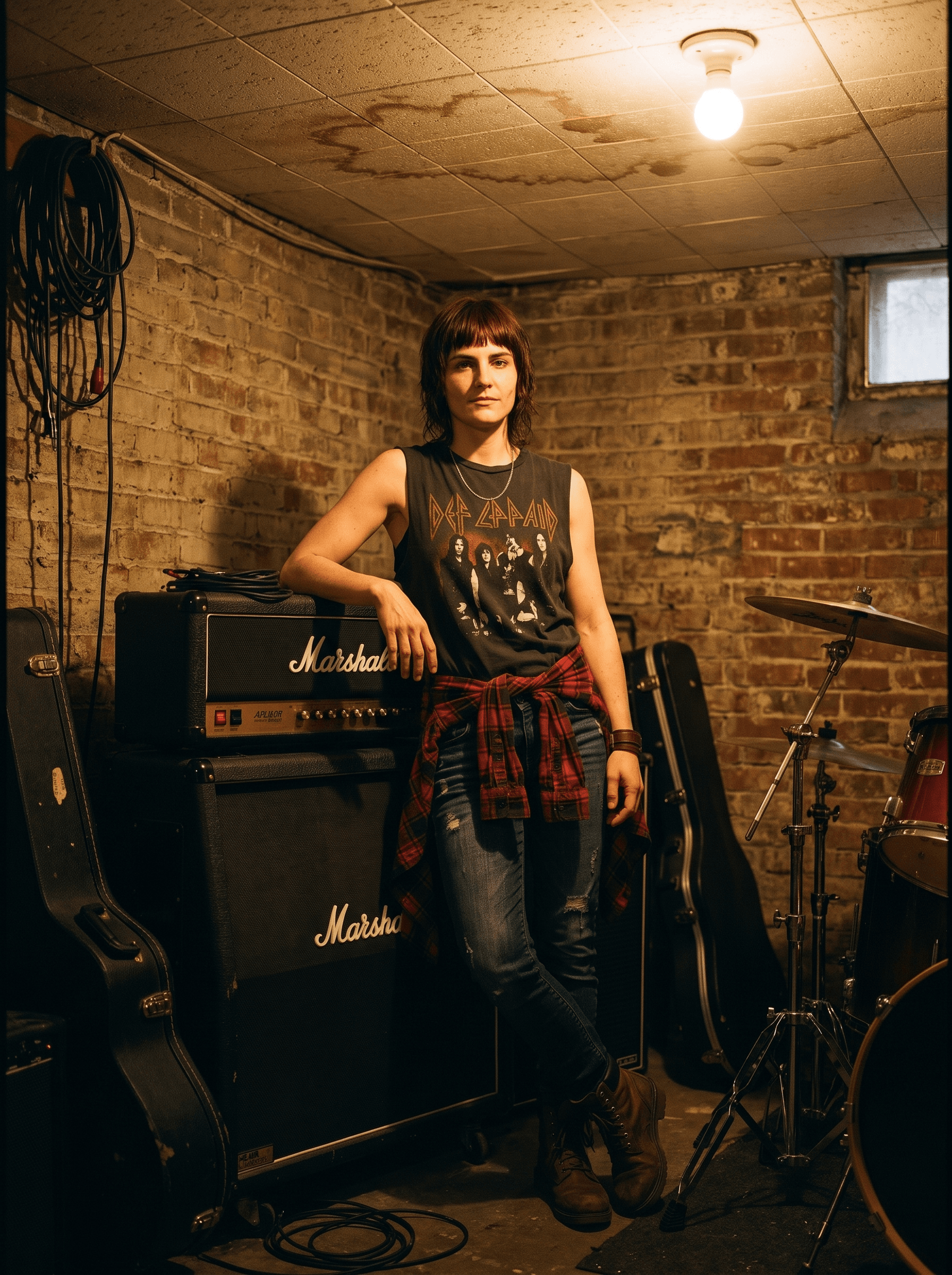
Hester Quay grew up where the ore boats disappear into fog and the radio still sounds better after midnight. She learned guitar in a rented room above a hardware store, tuning down until the strings felt like weather. College radio in the Twin Cities gave her a map — loud-quiet architecture, dry vocals, choruses that earn their volume — but Duluth kept the accent. She writes about shift changes, frozen parking lots, and the specific kindness of people who do not perform their feelings. Quay treats melancholy as a working material, not a costume. Melodies stay singable; the guitars stay slightly too loud. She records close, almost conversational, then lets the band hit the wall on the second chorus. Her philosophy is simple: steel-town songs should cut, not cosplay the 1990s. The grit is real. The hook is the reason you stay in the cold long enough to hear the last line.
Music
New music coming soon
Meet Hester Quay
“Great Lakes grit with a melody that still cuts through the cold.”
Hester Quay grew up where the ore boats disappear into fog and the radio still sounds better after midnight. She learned guitar in a rented room above a hardware store, tuning down until the strings felt like weather. College radio in the Twin Cities gave her a map — loud-quiet architecture, dry vocals, choruses that earn their volume — but Duluth kept the accent. She writes about shift changes, frozen parking lots, and the specific kindness of people who do not perform their feelings. Quay treats melancholy as a working material, not a costume. Melodies stay singable; the guitars stay slightly too loud. She records close, almost conversational, then lets the band hit the wall on the second chorus. Her philosophy is simple: steel-town songs should cut, not cosplay the 1990s. The grit is real. The hook is the reason you stay in the cold long enough to hear the last line.
Live Performances