Pop
Calvin Droste
After-hours pop that trades glitter for drum-machine grit.
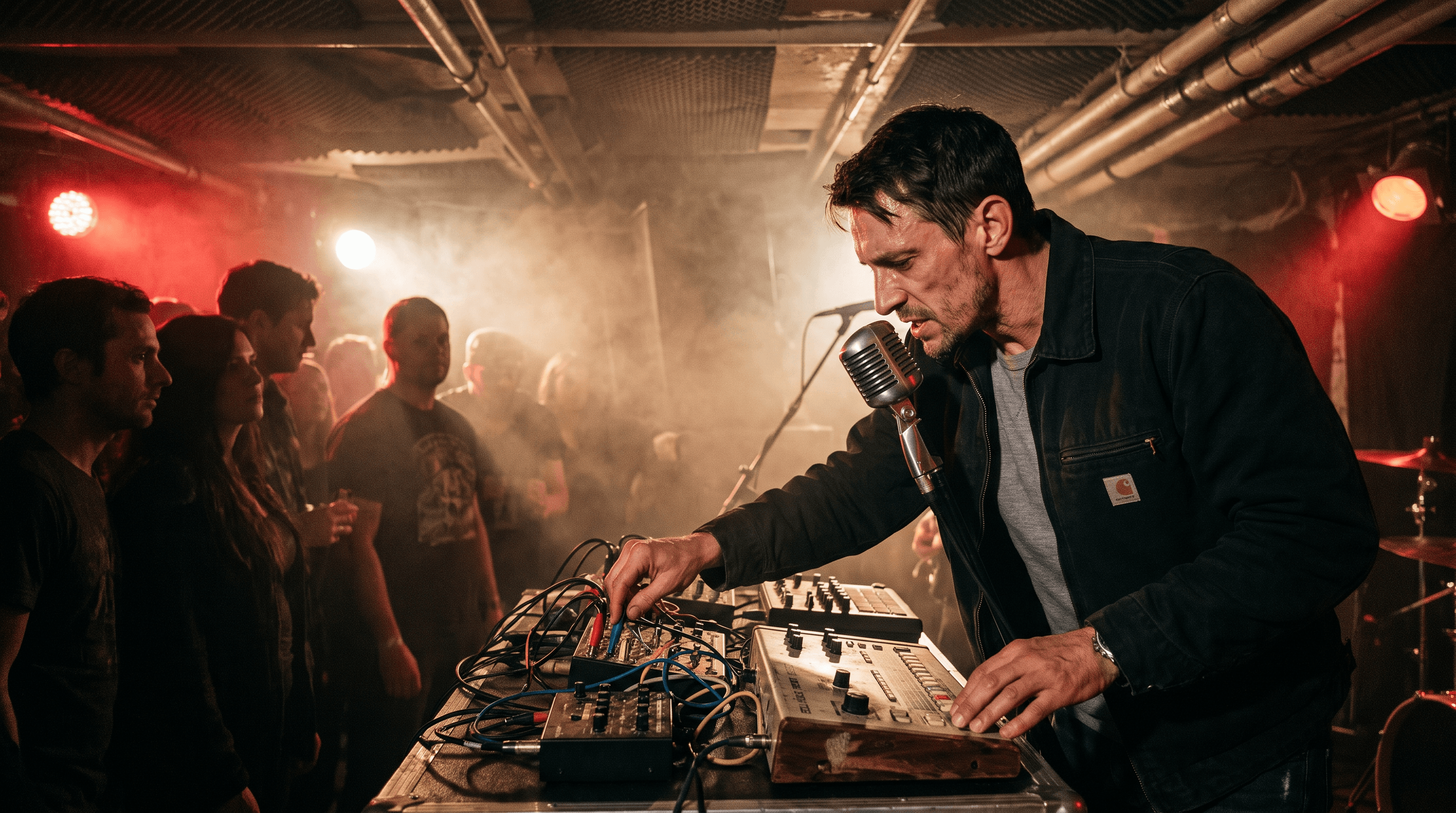
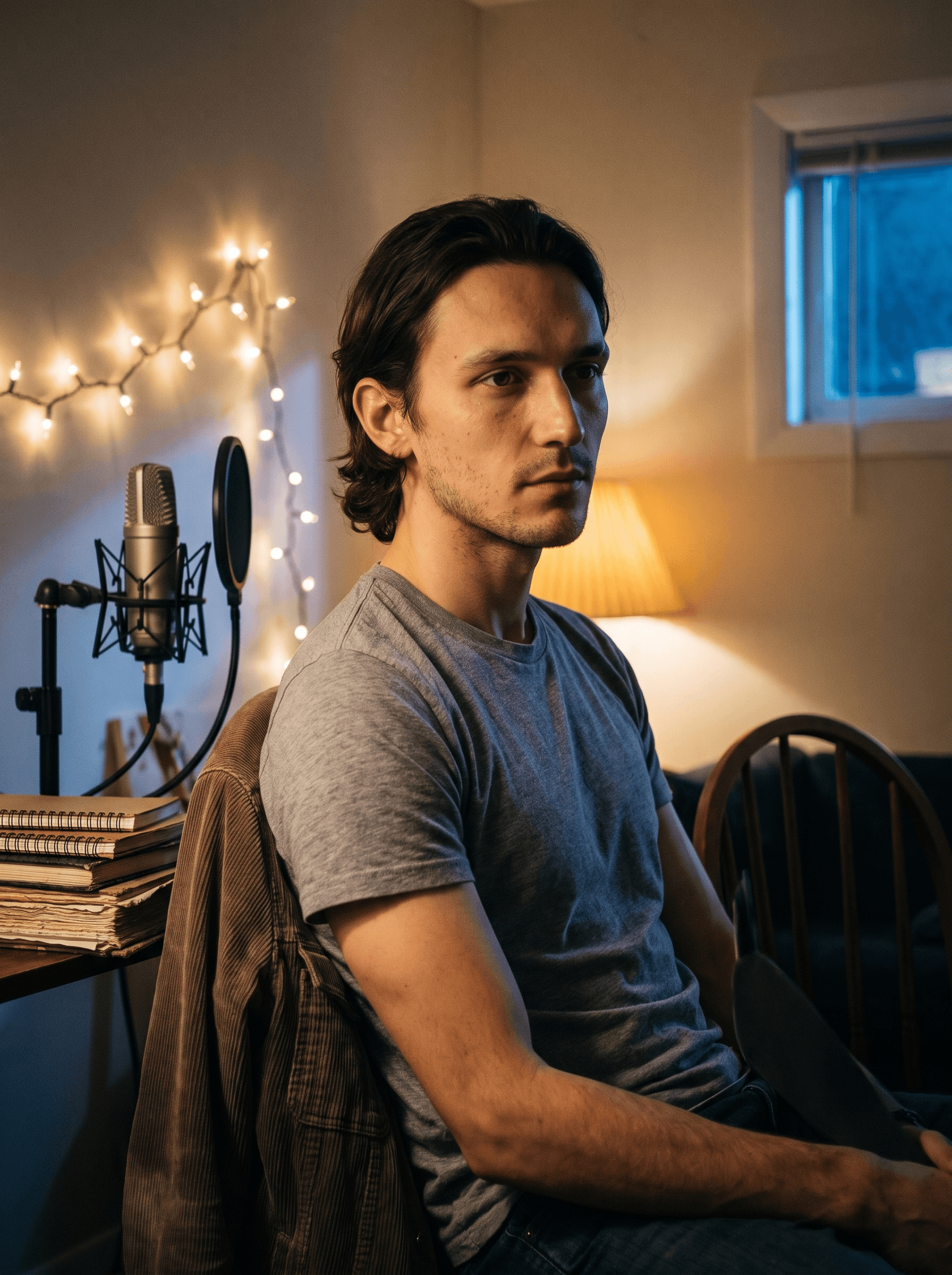
▶ Listen NowCalvin Droste grew up above a closed record shop on Nicollet, counting the fluorescent buzz as the last buses rolled south. He learned songs by taping late-night radio through a cheap cassette deck and later programmed drum machines in a basement that smelled like solder and winter coats. The Minneapolis he claims is not the sequined myth. It is parking-ramp concrete, bar-close neonless dark, and a pocket that snaps because the kick is dry.
He spent years as a sideman in cover bands, the one who rewrote choruses so they hit on the one instead of floating past it. When the clubs emptied, he kept the drum machine running and sang in a low, unadorned baritone that refused reverb. Rubber basslines, clipped guitar stabs, and hooks that end before they beg for applause became the whole method. Droste’s philosophy is simple: after-hours pop should feel like a city that has not gone home yet. Funk in the pocket, new-wave economy in the hook, grit instead of gloss. He writes for people who stay out because the room is still moving, not because the lights are pretty.
Music
Fluorescent Count
October 17, 2026
Meet Calvin Droste
“After-hours pop that trades glitter for drum-machine grit.”
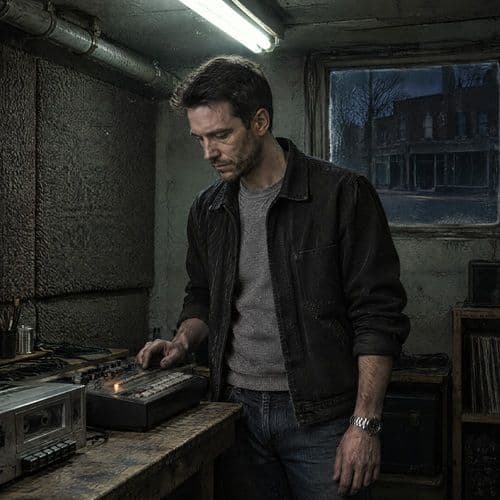
Calvin Droste grew up above a closed record shop on Nicollet, counting the fluorescent buzz as the last buses rolled south. He learned songs by taping late-night radio through a cheap cassette deck and later programmed drum machines in a basement that smelled like solder and winter coats. The Minneapolis he claims is not the sequined myth. It is parking-ramp concrete, bar-close neonless dark, and a pocket that snaps because the kick is dry.
He spent years as a sideman in cover bands, the one who rewrote choruses so they hit on the one instead of floating past it. When the clubs emptied, he kept the drum machine running and sang in a low, unadorned baritone that refused reverb. Rubber basslines, clipped guitar stabs, and hooks that end before they beg for applause became the whole method. Droste’s philosophy is simple: after-hours pop should feel like a city that has not gone home yet. Funk in the pocket, new-wave economy in the hook, grit instead of gloss. He writes for people who stay out because the room is still moving, not because the lights are pretty.
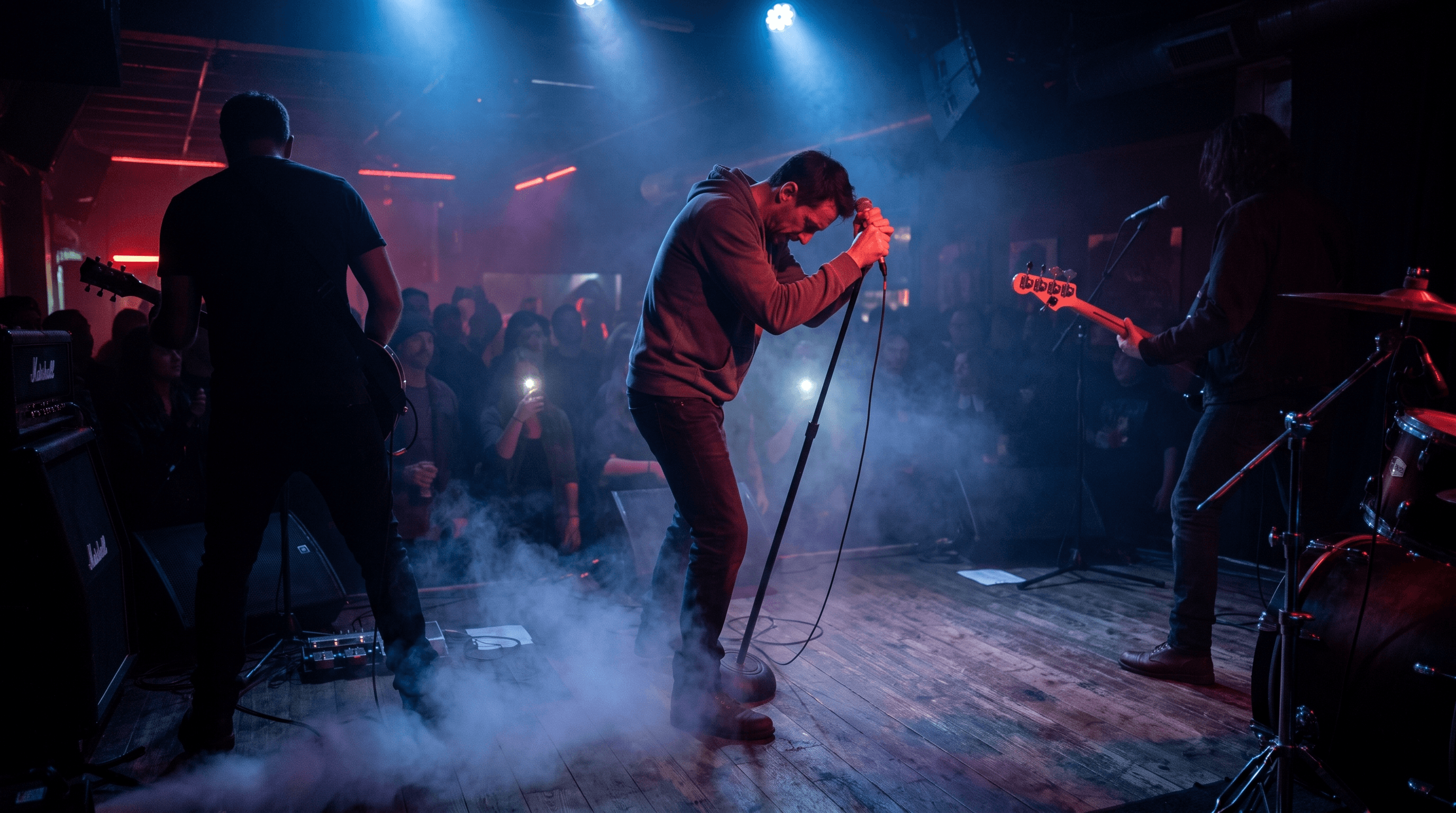
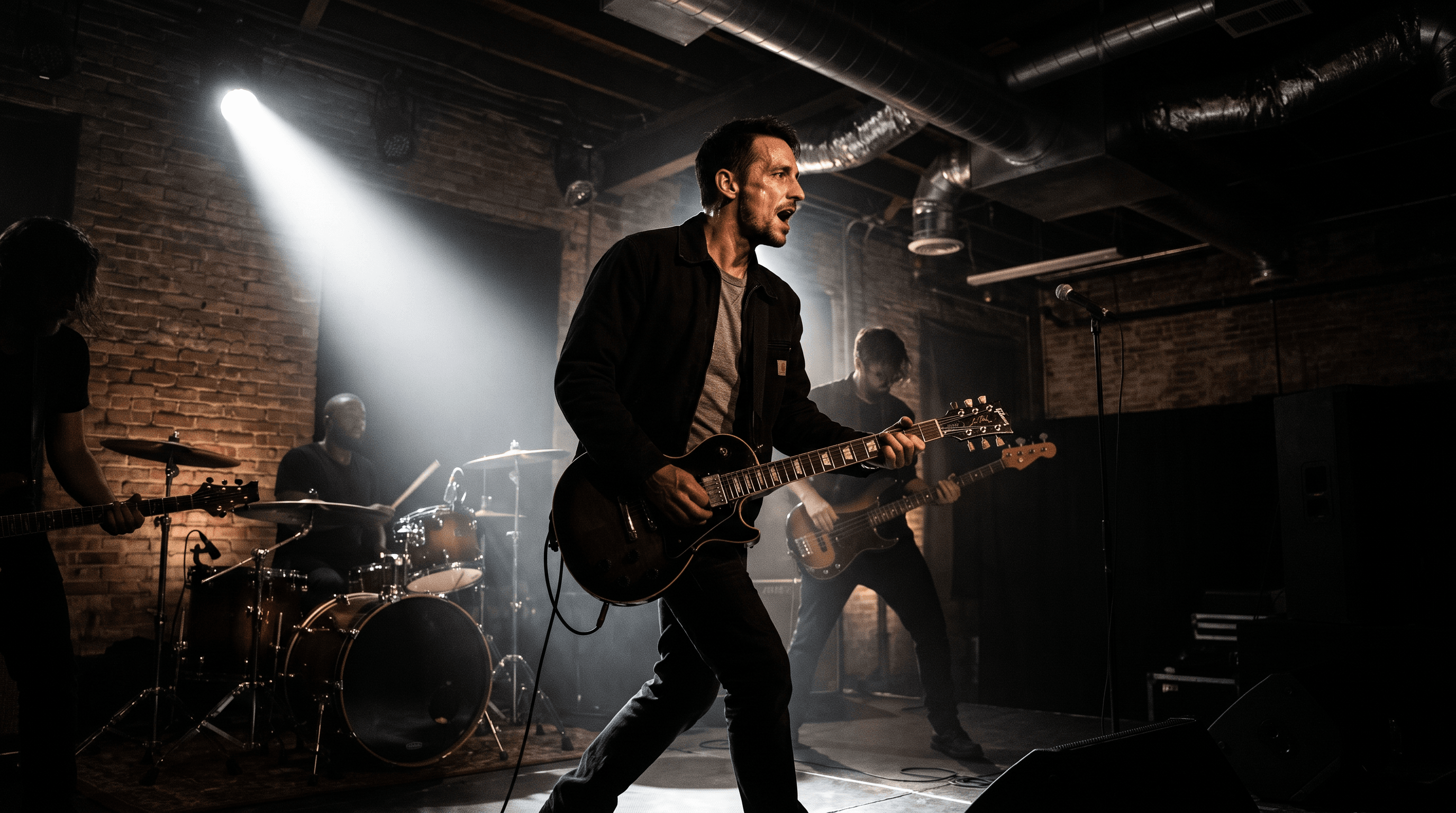
Live Performances